Dash Cam Laws by State: What to Know Before You Install One
Dash cam rules in the US vary by state. Here are the main issues to check: windshield mounting, audio recording and sharing footage.
 By Dash Cam & Safety Desk
Updated October 2, 2026
Dash cams are legal to use in all 50 US states, but the rules about how you use them are not uniform. The main issues are where the camera sits on the windshield, whether it records audio, and how you share the footage. This page is general information, not legal advice. Laws change, so confirm the current rules with your state or a qualified professional.
1. Windshield mounting
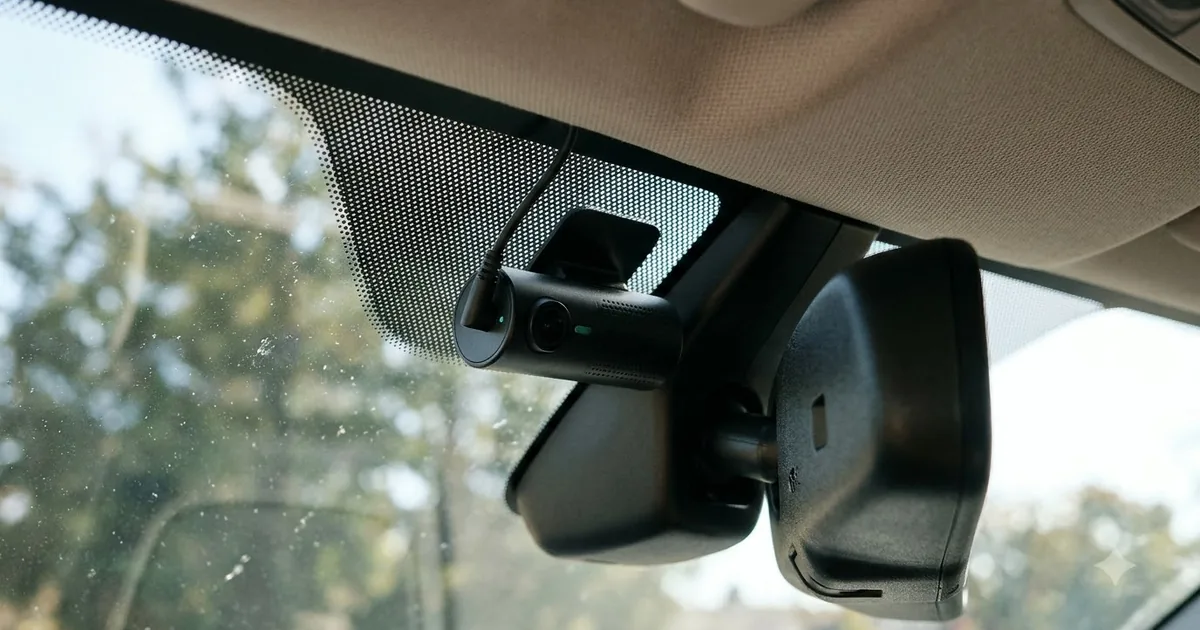
Many states restrict objects that obstruct the driver’s view through the windshield. Some states, such as California and Minnesota, describe specific areas where small devices may be mounted. Other states have general obstruction rules without a precise zone. A common approach is to place the camera behind or near the rear-view mirror, high on the windshield and out of the driver’s line of sight. Check your state’s vehicle code before you decide.
2. Audio recording and consent
Recording video of the road is generally treated differently from recording conversations. Some states require the consent of everyone in a conversation (often called all-party consent), while others require only one party to consent. Because a dash cam with audio can capture conversations inside the car, many drivers turn audio off or tell passengers that recording is on. If you drive for a ride-share or delivery service, check the platform rules as well.
| Topic | What varies | Practical step |
|---|---|---|
| Windshield placement | Allowed zones and size limits | Mount high, near the mirror, outside the driver’s view |
| Audio recording | One-party vs all-party consent | Disable audio or inform passengers |
| Sharing footage | Privacy, defamation and platform rules | Share with police or insurers; think before posting online |
| Use in court | Rules of evidence differ | Keep original files unedited and back them up |
| Commercial vehicles | Employer and fleet policies | Ask your employer before installing |
3. Sharing footage
Giving footage to police or your insurer after an incident is usually straightforward. Posting it online raises other questions, such as privacy and what the clip shows about other people. Keep the original file untouched and save a copy if you plan to trim or edit it.
4. Other devices
Radar detectors are a separate topic. They are illegal in some places, including Virginia and Washington, D.C., and in commercial vehicles under federal rules. Dash cams are not radar detectors, but some units combine features, so check what a product does before you buy.
How to check your own state
- Search your state’s vehicle code for “windshield obstruction” or “equipment on windshield”.
- Search your state’s statutes for “recording consent” or “eavesdropping”.
- Check your insurer’s guidance on submitting video.
- When in doubt, ask a local attorney or the state DMV or police non-emergency line.
Ready to pick a camera? Start with our dash cam buying guide and installation guide.
Frequently asked questions
Is it legal to have a dash cam?
Yes, dash cams are legal across the US, but state rules about mounting and audio recording differ.
Can I record audio in my car?
It depends on your state and who is in the car. Some states need everyone’s consent, so many drivers disable audio or tell passengers.
Can dash cam footage be used as evidence?
It is often accepted by insurers and police, but whether it is admitted in court depends on the case and local rules. Keep the original, unedited file.
Do I have to tell my passengers?
Telling passengers is a good practice and may be required where audio is recorded in all-party consent states.
Popular buying guides
About the author
The Dash Cam & Safety Desk covers dash cams, parking mode, hardwire kits and the rules that affect recording in your car. We compare features and specifications and explain what to check before you install, including state and local laws, which vary.