How to Jump Start a Car: With Cables or a Jump Starter
A flat battery does not have to leave you stranded. You can jump start a car with another vehicle and...
 By Diagnostics & Garage Desk
Updated October 3, 2026
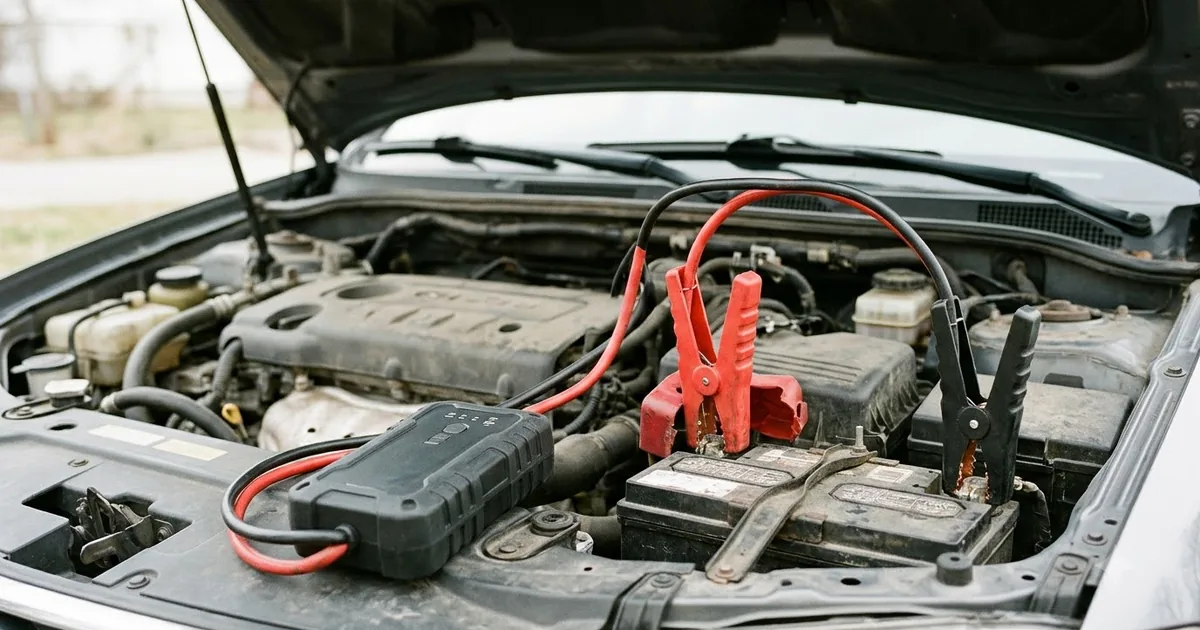
A flat battery does not have to leave you stranded. You can jump start a car with another vehicle and jumper cables, or with a portable jump starter. Follow these steps carefully, and check your owner’s manual first.
This guide is based on published specifications, manufacturer information and buyer feedback. We do not claim hands-on testing. Always follow your vehicle manual and local laws.
Safety first
- Turn off both engines, headlights and accessories.
- Check the dead battery for cracks, leaks or a swollen case. If you see any, do not jump the car; call roadside assistance.
- Remove metal jewellery and keep clamps from touching each other.
- Hybrid and electric cars have a 12V battery and sometimes special jump points, so read the manual.
Using jumper cables and a second car
- Park the working car close enough for the cables to reach but not touching the other car.
- Connect one red clamp to the positive (+) terminal of the dead battery.
- Connect the other red clamp to the positive (+) terminal of the good battery.
- Connect one black clamp to the negative (-) terminal of the good battery.
- Connect the last black clamp to unpainted bare metal on the dead car’s engine block or chassis, away from the battery. This is the ground.
- Start the working car and let it run for a few minutes.
- Try to start the dead car. If it does not start, wait a few more minutes and try again.
- Remove the cables in the reverse order and keep the engine running for at least 15 to 30 minutes or drive the car to recharge the battery.
Using a portable jump starter
- Make sure the jump starter is charged and the car is off.
- Connect the red clamp to the positive terminal and the black clamp to the negative terminal or to bare metal on the engine, following the pack’s instructions.
- Turn the jump starter on and wait for the ready light.
- Start the car.
- Switch the pack off and remove the clamps, black first.
Not sure which pack to buy? See our jump starter buying guide.
If it still will not start
- Check that the clamps have a solid grip on clean metal.
- Look for clicking noises, which suggest a weak battery, or no sound at all, which can point to a bad starter or connections.
- The battery may be at the end of its life, so have it tested.
After the jump
Drive for at least 20 to 30 minutes if you can. If the battery goes flat again soon, it may be old or something is draining it. A battery maintainer helps cars that sit unused. Many auto parts stores test batteries for free.
Frequently asked questions
Which terminal is positive?
Marked with a plus sign and often a red cover. The negative terminal has a minus sign.
Why connect to metal and not the negative terminal?
It reduces the chance of a spark near the battery, which can release flammable gas.
Can I jump start in the rain?
It is possible with care, but keep connections dry and do not stand in water. If unsure, call for help.
How long should I leave the cars connected?
A few minutes with the donor engine running is usually enough for the dead car to start.
Popular buying guides
About the author
The Diagnostics & Garage Desk covers OBD2 scanners, jump starters, battery chargers and tire inflators. We explain what each tool is designed for and how to match it to your vehicle, and we always point readers to the manufacturer instructions for safe use.